Food
St. Augustine Chef Tuna Liu Brings KoBu to Jacksonville
At his sushi-focused Jacksonville restaurant, Chef Tuna Liu draws on a life shaped by Chinese kitchens, New York restaurant work and an exacting respect for Japanese technique.
By Matt Brown
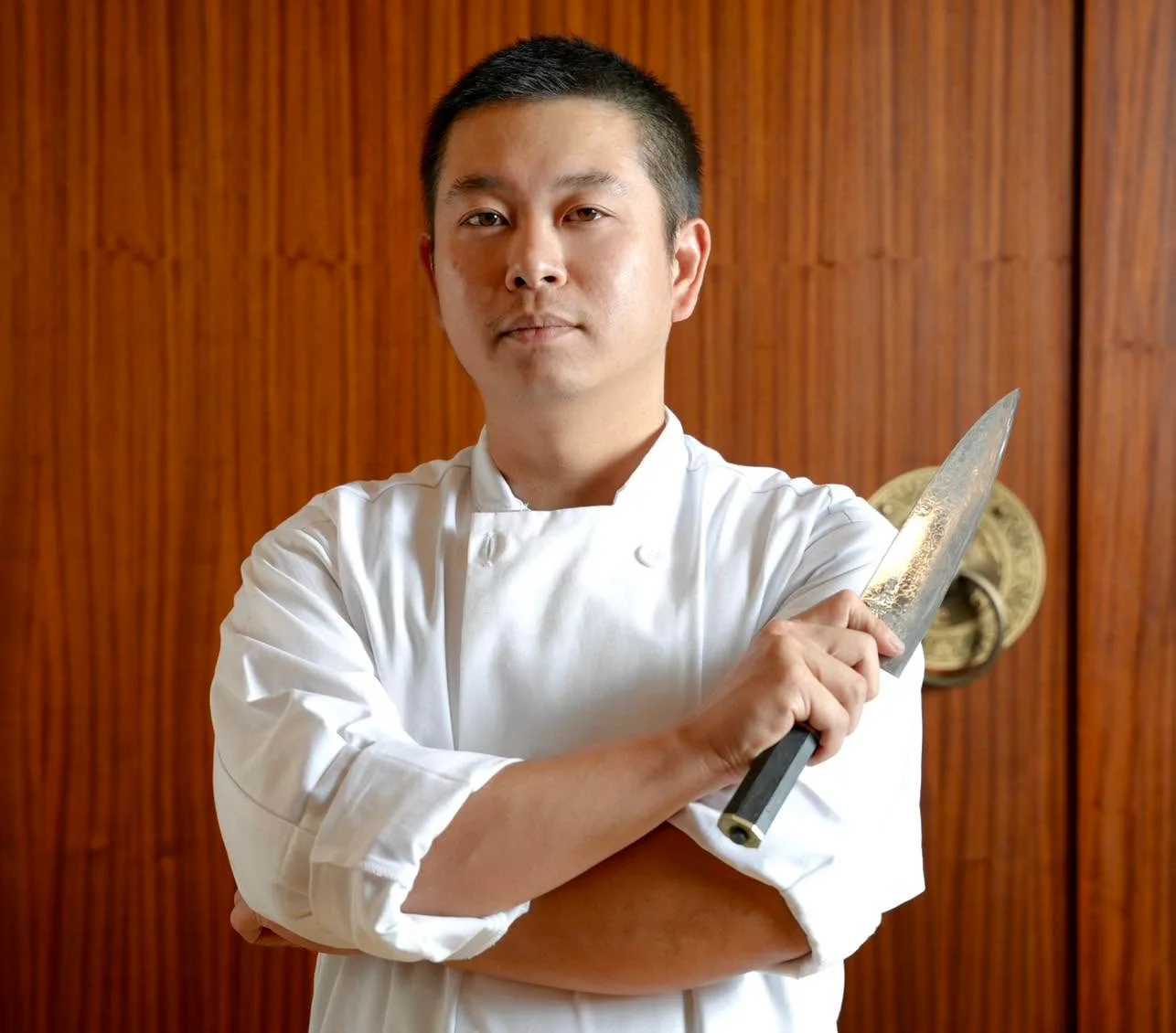
When Chef Tuna Liu gathers his team before service at KoBu, the conversation is about more than the night’s menu. During a recent pre-shift meeting, he spoke with the focus of someone setting a standard—not simply assigning tasks.
One idea comes up often: “If I can do it, you can do it.”
It is a fitting philosophy for Liu, whose route to opening KoBu, his sushi-focused restaurant in Jacksonville, was anything but conventional. His cooking reflects the places and kitchens that shaped him: China, Chicago, New York, St. Augustine and now Jacksonville. At KoBu, that history informs everything from the fish he selects to the rice he prepares and the kind of experience he hopes to create at the counter.
Liu immigrated from China to the United States at 14, after his family experienced serious financial hardship. He left school and began working full time, learning how to support himself while adapting to a new country. His early restaurant education began in Chinese kitchens, where the heat, speed and repetition of wok cooking gave him a practical foundation.
The first new language he learned in America was Spanish, picked up from the cooks working beside him. Long before sushi became his focus, he was developing the instincts of a restaurant cook: watching, listening, repeating and learning through the rhythm of service.
He still speaks fondly of the wok and considers fried rice one of his favorite foods to prepare. That enthusiasm remains part of his culinary identity, even as his work has become increasingly centered on Japanese seafood and sushi technique.
After spending time working in Chicago and New York, Liu arrived in St. Augustine at 18. His years in New York, he says, expanded his palate and changed the way he thought about food. He later opened Ginger Bistro in St. Augustine, building a restaurant successful enough to allow him to bring his family to the United States.
Yet success also brought a creative challenge. At an established restaurant, diners naturally come to expect familiar dishes and routines. Liu wanted room to keep learning, experimenting and cooking in a way that reflected his own story. KoBu grew from that impulse.
The restaurant is grounded in sushi, but Liu is not trying to present a rigid interpretation of a traditional Japanese restaurant. Instead, he approaches Japanese technique with deep respect while acknowledging the experiences that have informed his own cooking. His food carries the discipline of sushi preparation, the directness of Chinese kitchen work and a palate shaped by years in American restaurant kitchens.
That perspective is especially evident in the details.
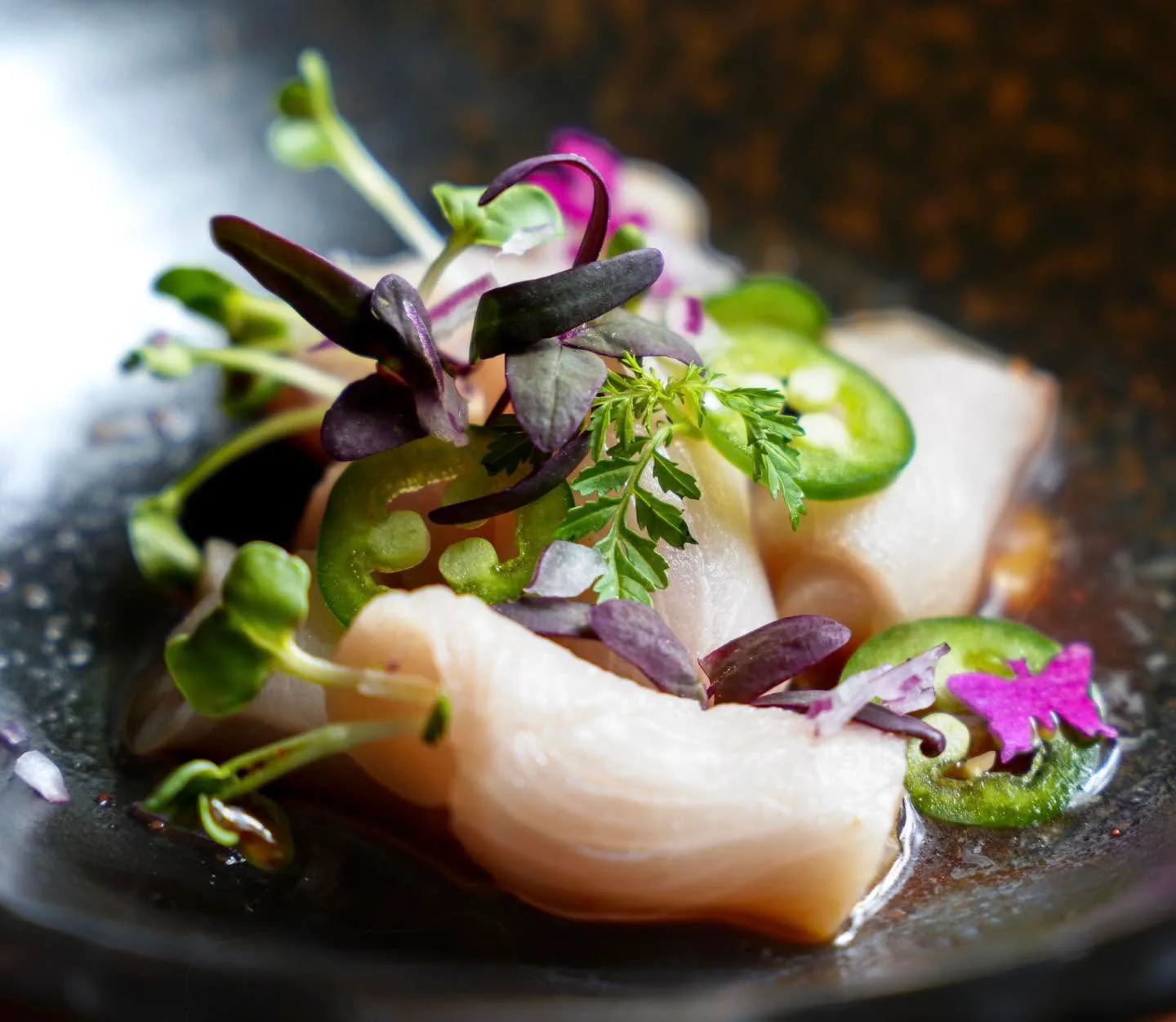
KoBu uses filtered, purified water for washing fish, cooking sushi rice, preparing stocks and rinsing vegetables. Seafood is sourced with close attention to quality, with fish shipped from Japan and delivered through the airport on restaurant days. Liu is selective about seasonal ingredients, including uni, which he serves only when he feels the variety and condition are right.
His approach also includes fish dry-aging chambers, where temperature and humidity are controlled to allow selected fish to mature. The process is intended to refine texture and concentrate flavor, offering a different expression of the fish without sacrificing the clean, carefully handled quality sushi diners expect.
Liu’s interest in technique is not academic. It comes from repetition. Knife work, he says, is learned through practice—and, occasionally, mistakes. “If you don’t cut yourself from time to time, you aren’t learning,” he said.
The sentiment is offered with a cook’s blunt humor, but it reflects a larger point: skill is earned over time. The precision guests see at the sushi counter is the result of thousands of movements repeated until they become instinctive.
At KoBu, one of Liu’s favorite preparations is salmon belly cooked over binchotan charcoal, with crisp skin and a rich interior. It is a simple dish in concept, but it relies on the control and restraint that Liu values: good fish, proper heat and an understanding of when to stop.
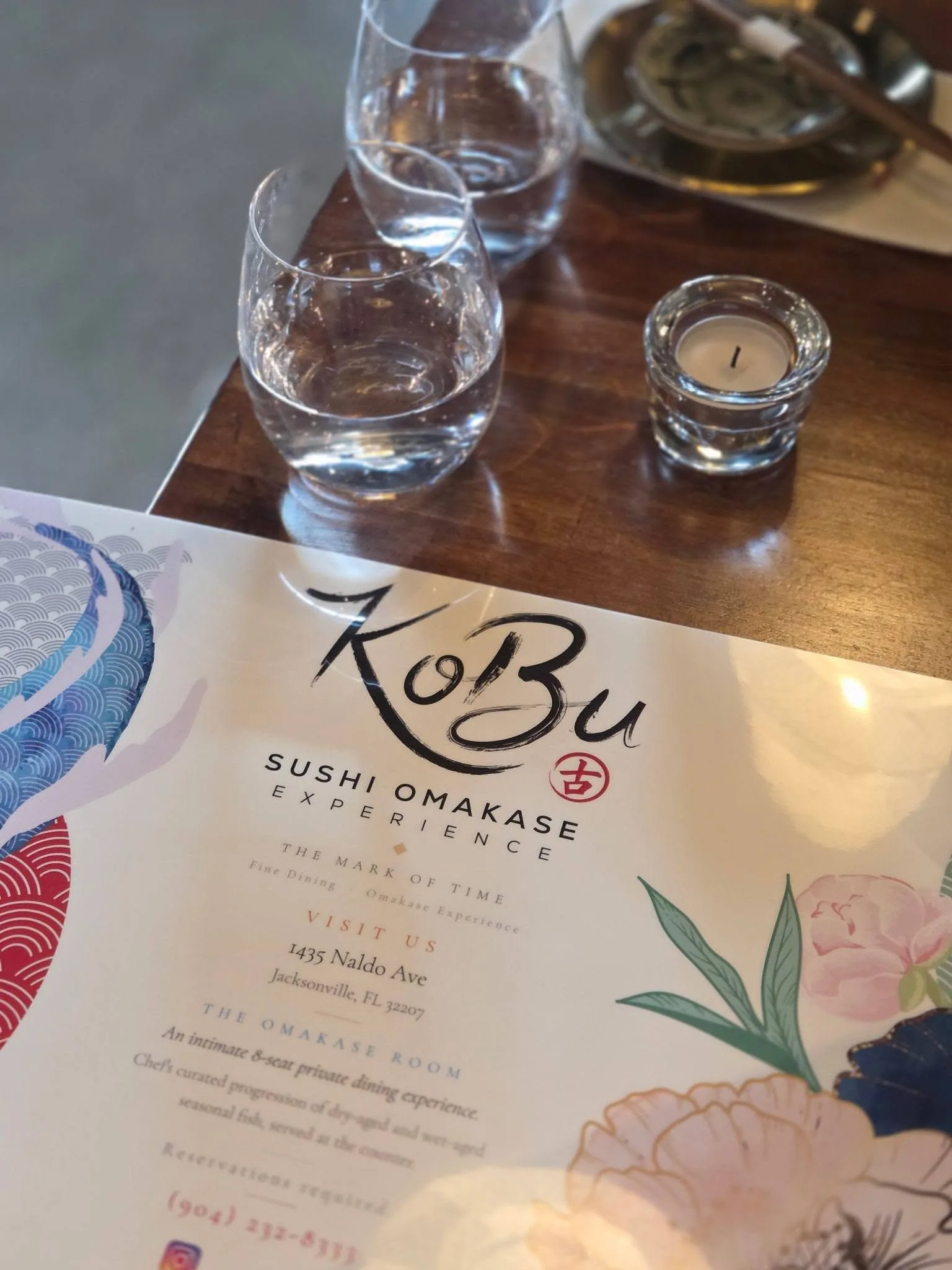
That same patience is shaping KoBu’s planned omakase experience. Liu has been developing the concept for months, but he is not interested in opening the room before it is ready. The format, built around a chef-selected progression of dishes, is meant to offer guests a closer look at the choices behind each piece of sushi: why a fish is sliced a certain way, why one preparation is aged while another is served fresh, how temperature affects flavor and why rice deserves as much attention as seafood.
For Liu, the aim is not simply to serve a memorable meal. He wants diners to leave with a better understanding of the craft.
That teaching instinct may eventually extend beyond the counter. He hopes to offer sushi classes for guests interested in learning the basics, as well as more serious instruction for cooks and aspiring chefs. For someone whose own education was shaped largely by necessity and hands-on experience, the possibility of helping others learn carries particular meaning.
“If I can do it, you can do it,” Liu tells his staff.
At KoBu, that message is embedded in the food as much as the kitchen culture. Liu’s restaurant is a place for carefully sourced seafood and precise technique, certainly, but it is also an expression of a chef who has spent years absorbing lessons from every kitchen he has known—and is now ready to share them.