Government
SJCSO Warns Residents About Jury Duty and Warrant Scams
Local scammers are impersonating the St. Johns County Sheriff’s Office, using fake warrants, jury-duty threats and even spoofed phone numbers to frighten residents into paying. Here’s what SJCSO says residents need to know before they answer the next alarming call.
By Heather Vreeland
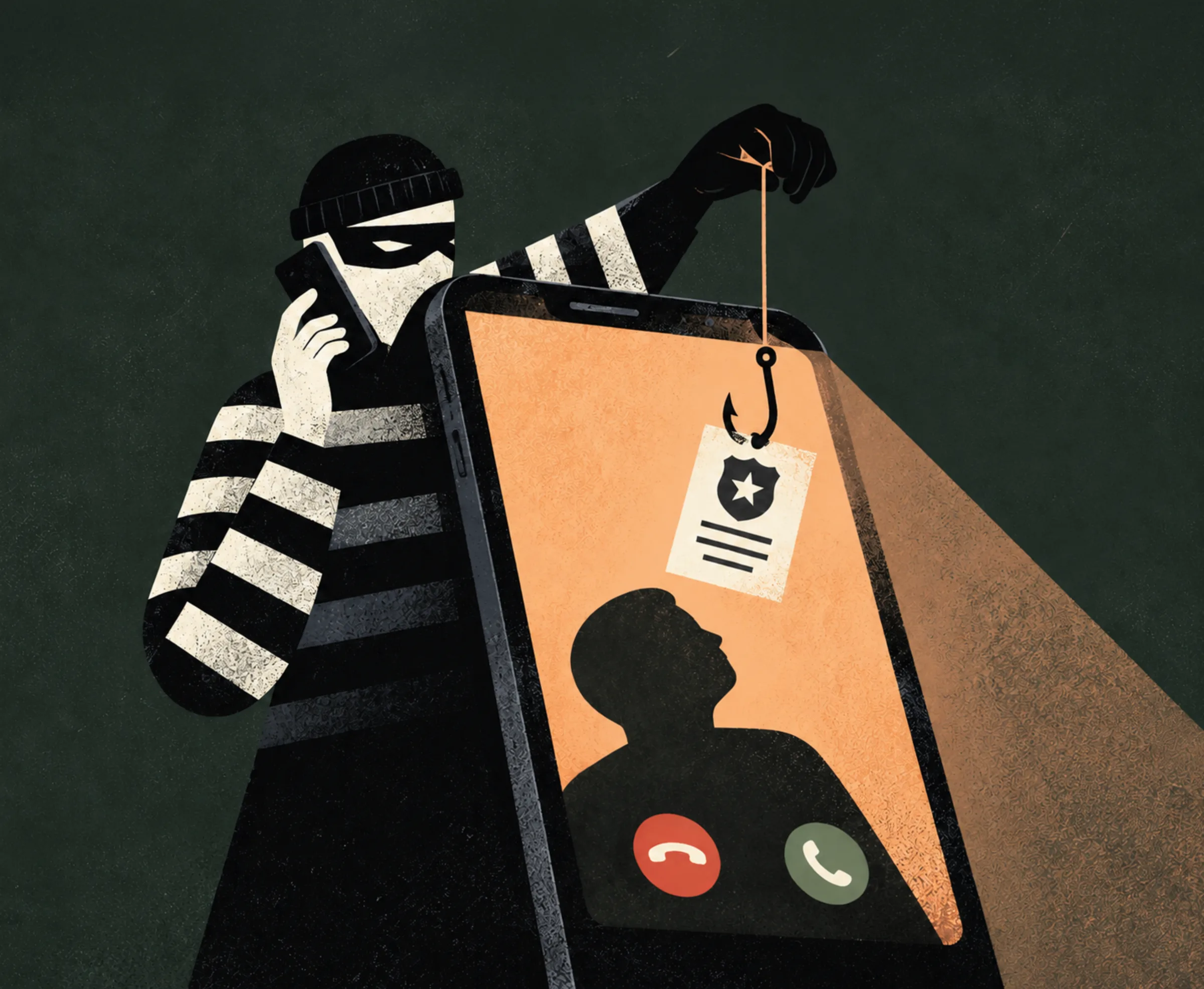
A recent scam targeting a St. Augustine resident began with a phone call from someone claiming to be with the St. Johns County Sheriff’s Office. The caller said there was a warrant for the their arrest because he had failed to appear for jury duty. When the resident questioned whether he had ever received a summons, the caller sent what appeared to be a FedEx receipt showing that the notice had been delivered and signed for. The caller then demanded approximately $25,000 and directed the resident to a local kiosk to make the payment. The address provided was a gas station. Investigators said the kiosk was likely a Bitcoin ATM. The scammer also warned the resident not to go directly to the Sheriff’s Office, claiming he would be arrested if he did.
No payment was made, but the incident reflects the increasingly sophisticated tactics being used by scammers impersonating law enforcement. Bobby Fultz, a detective with the St. Johns County Sheriff’s Office Economic Fraud Unit, said these scams work because they combine fear, urgency and enough convincing information to make the call seem legitimate.
“When people hear warrant, they’re scared,” Fultz said. He recommends that residents stop the conversation, hang up and independently contact the Sheriff’s Office to verify whether the call is real.
One of the most important things residents should know, Fultz said, is that the St. Johns County Sheriff’s Office does not collect money. “You’re never going to pay a fine to me or to the Sheriff’s Office for anything,” he said. Fines and other court-related payments are handled through the court system, not by deputies demanding money over the phone. The agency will never call about jury duty, attempt to collect money over the phone, ask for personal information over the phone or call or text someone about an inmate.
Residents should not assume a call is legitimate simply because the number displayed on their phone appears to belong to a local agency. Fultz said scammers can “spoof” telephone numbers, making caller ID display a number other than the one actually being used. In some cases, scammers may even spoof the Sheriff’s Office number. If the recipient hangs up and independently dials the legitimate number, however, the call will go to the actual agency rather than the scammer. That is why Fultz repeatedly advises residents to verify, verify, verify. If someone claims to be calling from a government agency, bank or other organization, residents should hang up, find the official phone number themselves and place a new call.
Jury duty provides scammers with a particularly effective scenario because it can apply to almost anyone. A person may not immediately know whether a notice was mailed, misplaced or overlooked, making the threat sound plausible. But Fultz said missing jury duty would not result in a deputy calling and demanding immediate payment to prevent arrest. In fact, Fultz, who has worked in law enforcement since 1988, said he has never been tasked with contacting someone simply because they failed to appear for jury duty. “No one has reached out to law enforcement to talk to somebody about missing jury duty ever,” he said.
That same use of fear, urgency and uncertainty carries over into other common scams, including those involving banks and financial institutions. A person may receive a text asking whether they made a suspicious purchase, followed by a call from someone claiming to work for the bank’s fraud department. The caller may then ask for a one-time verification code sent to the victim’s phone. In reality, an accomplice may be attempting to access the victim’s actual bank account and needs that code to complete the login. Once the code is shared, scammers may be able to access the account, change passwords or transfer money. Fultz said one of the best protections is to slow down whenever a caller is creating a sense of urgency. “Don’t let the fear factor get to you,” he said. Residents should stop, independently verify the information and contact the organization directly using a phone number they know to be legitimate.
Reminder: SJSO Will Never:
Call you about jury duty and demand money.
Call you about a warrant and demand payment.
Attempt to collect money from you over the phone.
Ask you to provide personal information over the phone.
Direct you to a kiosk, Bitcoin ATM or gift-card retailer to avoid arrest.
Call or text you demanding money related to an inmate.
Residents who receive a suspicious call can contact the St. Johns County Sheriff’s Office directly at 904-824-8304 to verify whether the communication is legitimate.