Arts
Artist Lenny Foster Preserves Local Civil Rights History Through Photography
St. Augustine, the oldest continuously inhabited European-established settlement in the country, has a long history dating all the way back to the 1565. However, during the 1960s, it became a hotbed o
By Tristan Larrabee
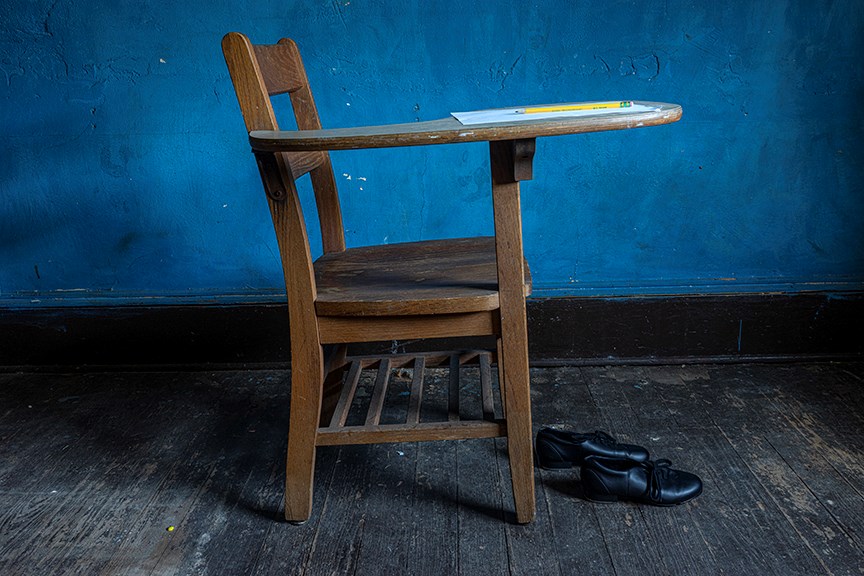
St. Augustine, the oldest continuously inhabited European-established settlement in the country, has a long history dating all the way back to the 1565. However, during the 1960s, it became a hotbed of racial injustice during the American Civil Rights Movement- history largely unknown to the public until storytellers like artist Lenny Foster began to uncover it.

Foster’s career has taken him all over the United States. For over 20 years, he maintained a gallery in Taos, New Mexico, and his work has been displayed in permanent collections across the country, including Kentucky, Ohio, Oklahoma, and Indiana. Now, Lenny Foster finds himself in St. Augustine, where he owns and operates Gallery One Forty-Four. Although he relocated to North Florida to be closer to family, the alure of St. Augustine’s rich civil rights history captured his photographic eye. Inspired by the actions of activists such as Dr. Martin Luther King, Foster has immersed himself in his craft, using photography to document St. Augustine’s deep African American history.

Foster’s photos draw attention to historically significant stories that are often overlooked. To him, photography serves a purpose larger than just art alone – preservation. Through his series, Where We Stand, Foster tells the city’s story one shoe at a time. He drew inspiration after former NFL quarterback Colin Kaepernick began kneeling before football games in protest of the national anthem. Within the series, Foster highlights the search for racial equality, using symbolism to convey the emotional weight of the American Civil Rights Movement. Empty shoes act as reoccurring imagery, representing the countless hours African Americans have spent sitting, kneeling, and standing in the fight for racial equality. “Why do we sing, why do we dance, why do we pray? What better way to tell these stories than to show people where we stand” says Foster. “That’s why I incorporated the shoes.” As an African American himself, Foster feels a personal connection to the city’s past, noting, “This history is vast and rich, and we have stood, sat, and knelt for many a high and honorable cause, not to mention, the struggle for everyday existence.”


Foster’s work is permanently on display at his gallery, located at 144 King Street. His pieces are also often featured nearby at the Lincolnville Museum & Cultural Center, which curates a collection of historic civil rights artifacts and artwork central to St. Augustine’s role in the movement. The museum serves as both a testament to local history and a space to continue the dialogue- highlighting the importance of preserving these stories that might otherwise be overlooked. “People must attend, you must go there” says Foster. Together, monuments like the Lincolnville Museum and artists like Foster are ensuring the history of the Civil Rights Movement in St. Augustine stays relevant and accessible for everyone.

Through his work, Foster preserves a vital part of St. Augustine’s history. His photographs sit at the crossroads of art and historical preservation, urging viewers to consider the history shaped beneath their feet.